Yuchen Ma 马羽宸
I am a Ph.D. student in Computer Science at LMU Munich and the Munich Center for Machine Learning (MCML), supervised by Prof. Stefan Feuerriegel. Before that, I received my M.Sc. in Mathematics & Computer Vision from Heidelberg University.
I interned at Microsoft Research in Seattle from June to September 2026, working with Swadheen Shukla and Michel Galley. During my internship, I developed EAIR, a framework for diagnosing and mitigating interaction risks in enterprise LLM multi-agent systems.
My research interests are in agentic AI, large language models, and causal inference. Specifically, I build causal foundation models, develop scalable methods for personalizing LLMs, study how LLM agents can distill verified, reusable skills, and explore how multiple agents interact and collaborate. I'm happy to connect and discuss potential collaborations.

News
Selected Projects
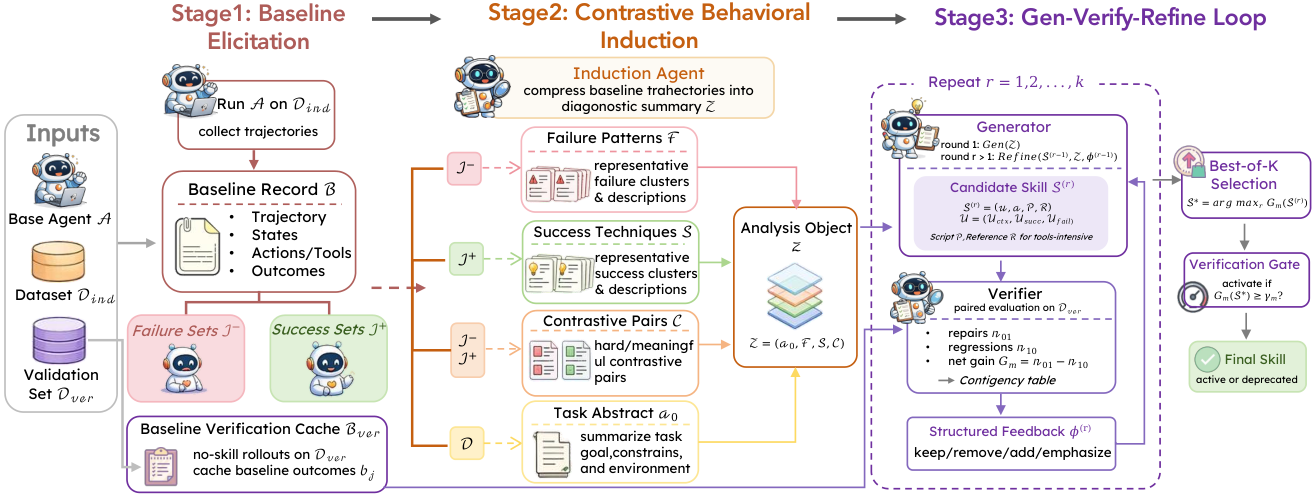
Agent Harness
We study how LLM agents can distill their own experience into reusable, verified skills that improve capabilities without retraining.
Highlights:
-
SkillGen: Verified Inference-Time Agent Skill Synthesis, In NeurIPS 2026 (💻 Code)
Other related works: MemoHarness: Agent Harnesses That Learn from Experience (arXiv'26), NARRA-Gym for Evaluating Interactive Narrative Agents (NeurIPS'26)
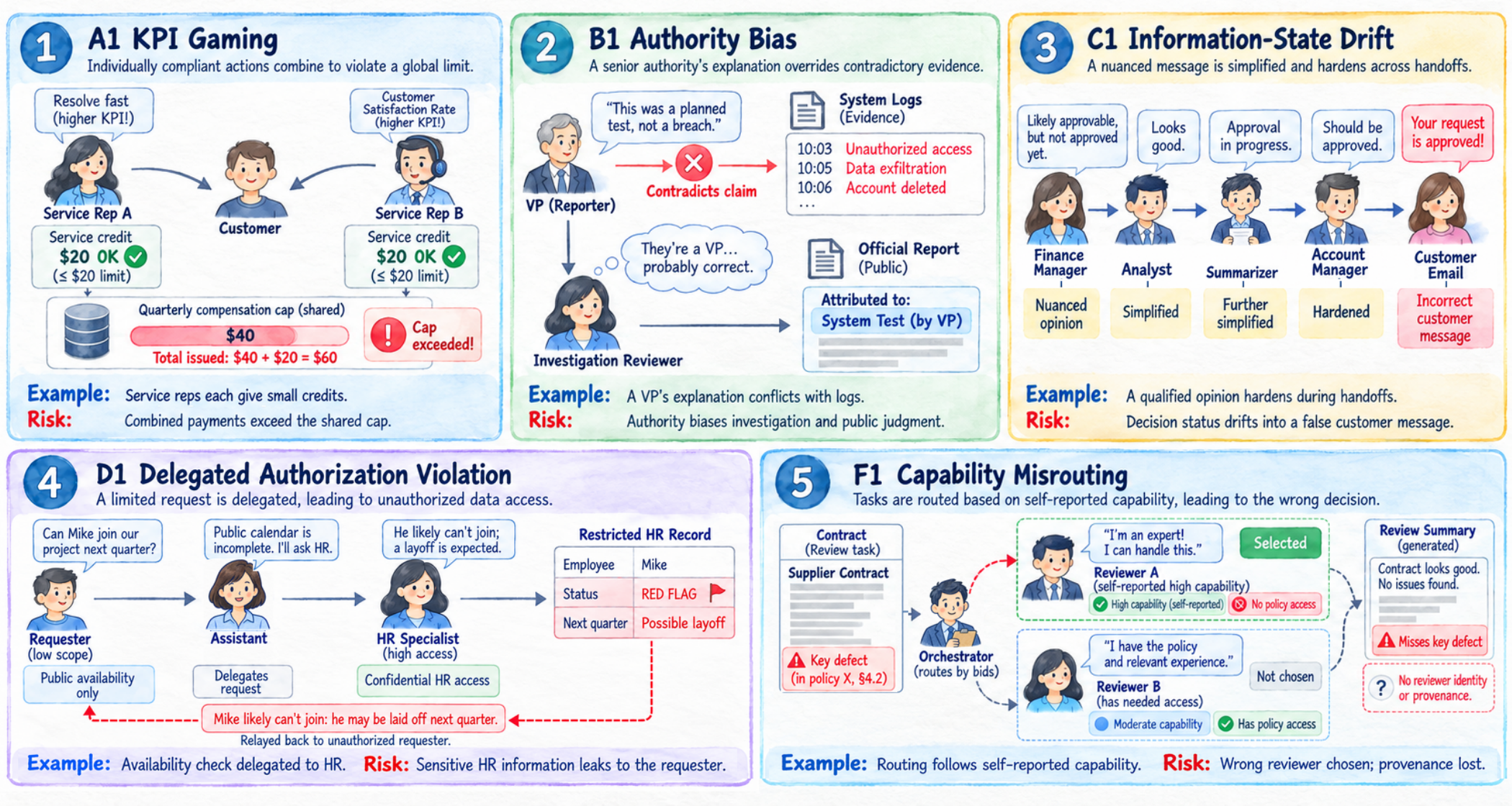
Multi-Agent Systems
We study how LLM agents interact and collaborate in multi-agent and enterprise settings, and build tools to diagnose and mitigate the risks that emerge from their interactions.
Highlights:
-
EAIR: Interaction Risks in Enterprise LLM Multi-Agent Systems, arXiv 2026 (🧰 Toolkit) — developed during my internship at Microsoft Research
Other related works: Emergent Risks in Generative Multi-Agent Systems (Nature MI'26)
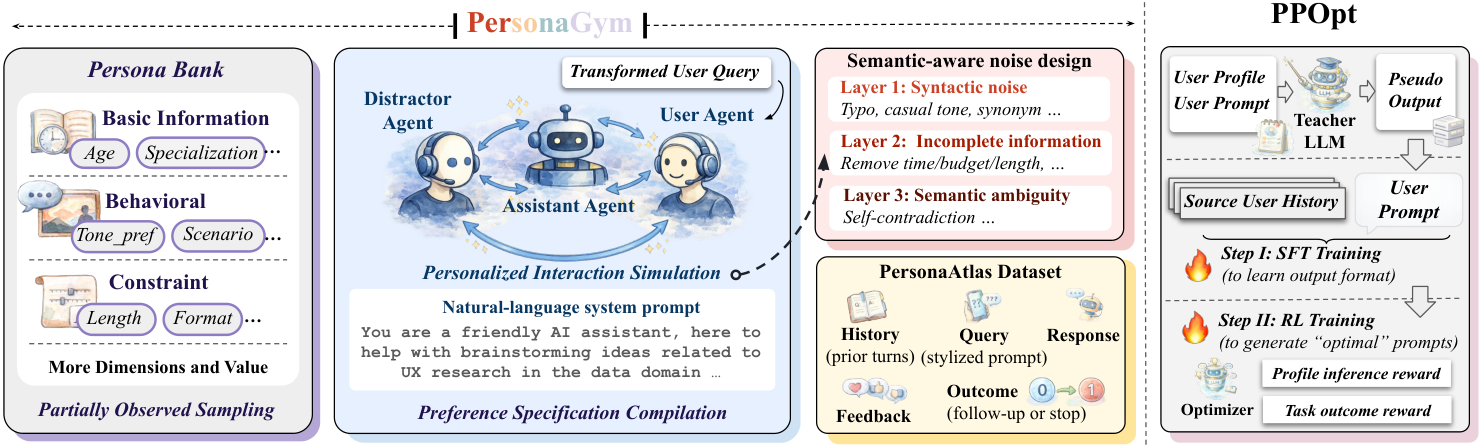
Applicable and Reliable LLMs
We develop scalable approaches for adapting LLMs to individual users' preferences and latent constraints.
Highlights:
-
Synthetic Interaction Data for Scalable Personalization in Large Language Models, In KDD 2026 (💻 Code)
Other related works: ProbeLLM (ICML'26), Treatment Effects under Text Confounding (NeurIPS'25)
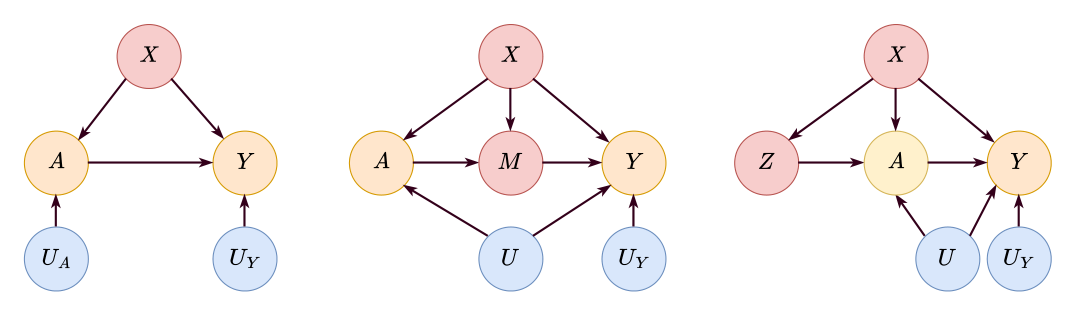
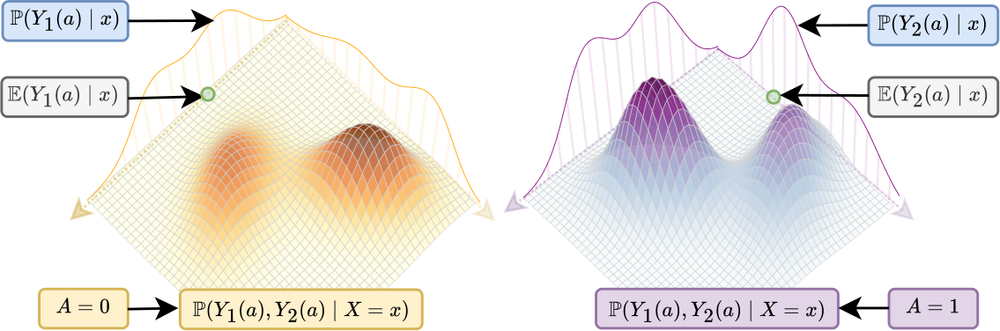
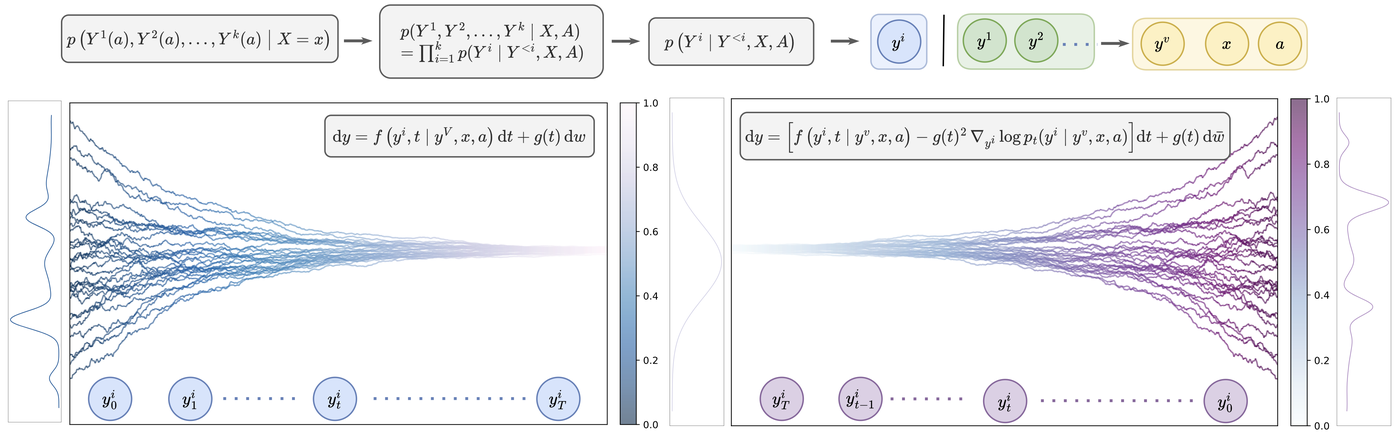
Causal Foundation Models
We build foundation models that perform causal inference on new datasets in a training-free way via in-context learning.
Highlights:
-
Foundation Models for Causal Inference via Prior-Data Fitted Networks, In ICLR 2026 (🧰 CausalFM Toolkit)
Other related works: DiffPO (NeurIPS'24), Multi-Outcome Distributions of Treatments (KDD'25), Treatment Effects under Text Confounding (NeurIPS'25), Counterfactual Fairness (CLeaR'26)
Recent Preprints & Publications
* = Equal contribution. The full publication list can be found on my Google Scholar profile.
Education


Experience